If you want a home where coffee, dinner, shopping, and a park stroll can all fit into one easy outing, downtown Franklin stands out. In 37064, walkable living is not just a trend. It is part of the way historic Franklin was built. This guide will help you understand what makes the downtown core so appealing, what kinds of homes support that lifestyle, and what to keep in mind if you want to live near it. Let’s dive in.
Why downtown Franklin feels walkable
Historic downtown Franklin is centered around a 16-block Great American Main Street, with local shops, restaurants, coffeehouses, and attractions woven into a compact area. The City of Franklin also identifies the Downtown Franklin Local Historic District as the town’s oldest residential and commercial core, including the public square and courthouse.
That matters when you picture daily life. In many places, “walkable” means a sidewalk here and there. In downtown Franklin, the walkable feel comes from the district’s older street pattern and close-together buildings that naturally support short trips on foot.
Built for pedestrians
The city’s historic district guidelines describe storefronts with lower levels and upper stories, shared side walls, and building fronts that sit close to the street. Sidewalks, street trees, lighting, seating, and flower boxes all help create a more comfortable pedestrian experience.
For you, that can translate into a lifestyle where errands and entertainment feel connected instead of spread out. You may be able to grab coffee, browse a shop, meet friends for lunch, and head to an evening event without constantly getting back in the car.
Historic character shapes the experience
Downtown Franklin’s architecture is a big part of its appeal. The city notes that the district includes Franklin’s oldest residential and commercial buildings, many dating to the 19th and early 20th centuries, and Visit Franklin says some downtown buildings date back as far as 1799.
That historic setting gives the area a sense of place that feels distinct from newer mixed-use districts. If you are drawn to preserved buildings, traditional streetscapes, and a lived-in town center, downtown Franklin offers that in a very visible way.
Everyday life in the downtown core
Walkability works best when daily needs and simple pleasures are close by. Downtown Franklin offers a strong mix of food, shopping, and entertainment that helps the area feel active beyond business hours.
Morning coffee and casual stops
If your ideal morning starts with a short walk to coffee, downtown gives you several options in the historic core. Frothy Monkey is described as an all-day café that opens at 7 a.m. daily, while the Coffee House at Second & Bridge offers breakfast and lunch in a restored house with cozy rooms. McGavock’s Coffee Bar & Provisions adds another downtown option with coffee, sandwiches, pastries, and ice cream.
These kinds of places help make a neighborhood feel usable, not just scenic. They support the routines that often matter most when you are deciding where to live.
Local shopping close at hand
Downtown Franklin’s shopping mix leans local, which adds to its appeal for residents who enjoy browsing on foot. Visit Franklin highlights spots such as White’s Mercantile, Gallery 202, T. Nesbitt & Co., Zula & Mac, and Made in TN as representative downtown stops.
Nearby, The Factory at Franklin expands the experience with shopping, dining, galleries, artisans, theater, and a farmers market in a renovated complex of 11 Depression-era factory buildings. For buyers who want variety within a short distance of downtown, that broader cluster can be part of the draw.
Entertainment after hours
A walkable district feels more complete when it stays active into the evening. The Franklin Theatre, built in 1937, hosts movies, live music, and stage performances, while Gray’s on Main, located in a Victorian building from about 1876, features live music on several nights each week.
That blend helps downtown function as more than a daytime destination. If you value being able to enjoy an evening out close to home, this is one reason downtown Franklin continues to attract interest.
Parks near downtown Franklin
One of the best surprises about downtown Franklin is how close green space can feel. Even in a historic, more compact area, parks are part of the lifestyle.
Pinkerton Park connection
Pinkerton Park is especially important for downtown living. The City of Franklin describes it as the most highly used passive park in the system, with 34 acres, a one-mile paved pedestrian track, playgrounds, picnic pavilions, and the Sue Douglas Berry Memorial pedestrian bridge connecting downtown to the park.
That bridge matters in practical terms. It gives you a clear pedestrian link from the downtown area to a larger outdoor space for walking, relaxing, or spending time with family.
Harlinsdale Farm nearby
The Park at Harlinsdale Farm adds another outdoor option near the core. The city describes it as a 200-acre passive park with a 4-acre dog park, a 3-acre pond, and a 5K soft track for walking or running.
For buyers comparing lifestyle options, this expands what downtown living can mean. You can enjoy a more compact historic setting and still have access to substantial open space nearby.
Home styles that fit downtown living
If you are searching for a home near downtown Franklin, architecture and lot layout play a big role in how the neighborhood functions. The homes that support a walkable lifestyle here tend to match the historic pattern of the area.
Historic homes near the core
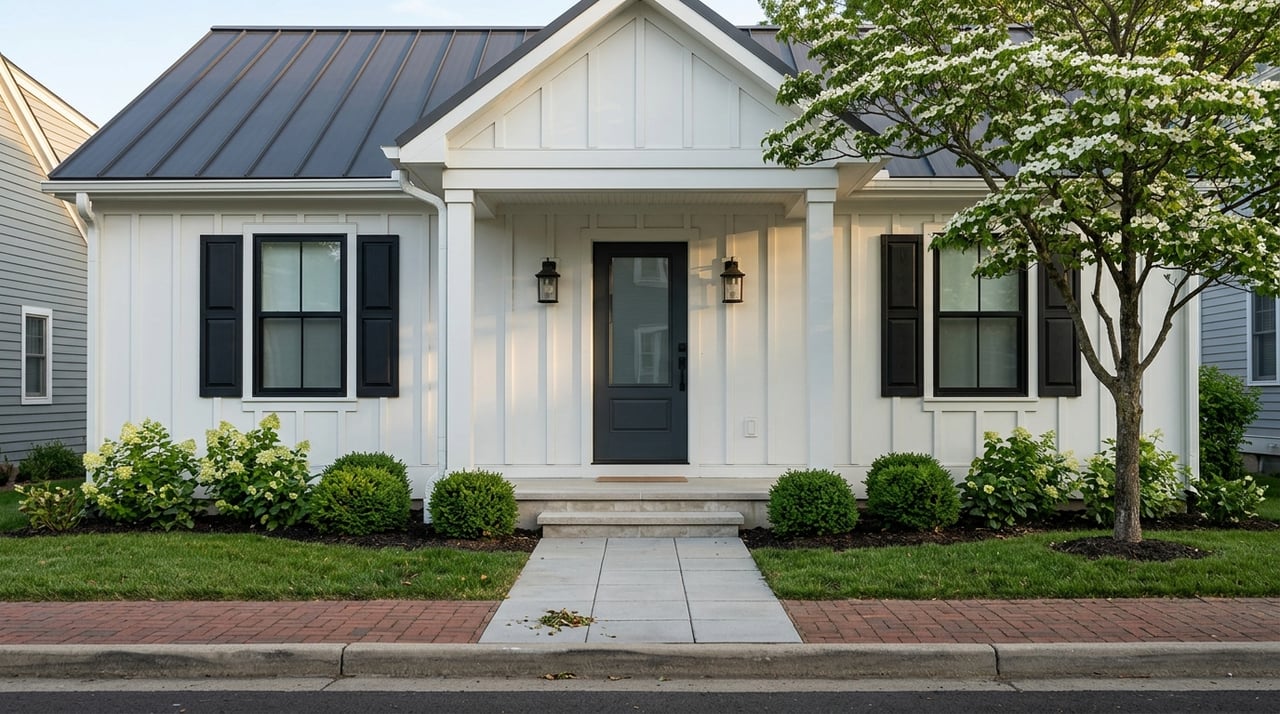
The City of Franklin says early homes in the district were often built in the Federal style, with later homes showing Greek Revival, Italianate, and Victorian influences. The design guidelines also describe one- and two-story houses with brick, stone, or wood exteriors, common porches, lawns, trees, and traditionally placed detached accessory structures.
These details matter because they shape how homes sit on the street. Porches, moderate setbacks, and lower-scale homes often make walking routes feel more welcoming and connected.
Nearby districts broaden your options
If you want downtown access but not necessarily a home right by the square, nearby historic districts add more possibilities. Adams Street includes mostly one-story frame homes with Folk Victorian forms, Queen Anne and Italianate detailing, and Bungalows from the 1920s and 1930s.
Lewisburg Avenue includes Queen Anne, Colonial Revival, Tudor, and Craftsman houses, with both one-story and two-story homes present. Together, these areas help show the types of homes that naturally align with downtown Franklin’s walkable character.
Who downtown Franklin living may suit best
A walkable home near downtown Franklin can appeal to different kinds of buyers for different reasons. The right fit usually comes down to how you want your days to feel.
Buyers who value convenience
If you want to be able to step out for coffee, dinner, shopping, or entertainment with less planning, downtown proximity can be a strong match. The compact historic core supports shorter outings and more spontaneous use of the neighborhood.
Buyers who love historic character
If you are drawn to older architecture and streets with visible history, this area offers a setting that newer developments cannot easily replicate. The preserved building stock and established layout are central to the experience.
Buyers seeking low-key outdoor access
If parks matter to you, the connection to Pinkerton Park and the proximity to Harlinsdale Farm can add balance to downtown living. You do not have to choose between being near activity and staying connected to green space.
What to consider before you buy
Downtown living is appealing, but it helps to define your priorities early. In Franklin, your ideal version of walkability may depend on whether you want to be in the heart of the historic core or in a nearby area with easier access to it.
A smart home search should look at more than distance on a map. You will also want to think about the style of home you prefer, your comfort with older housing stock, how much outdoor space you want, and whether your routine centers on restaurants, parks, or both.
This is where local guidance matters. A neighborhood-first search can help you weigh street-by-street character, housing style, and practical day-to-day fit so you can focus on homes that truly support the lifestyle you want.
If you are thinking about buying or selling near downtown Franklin, working with a team that knows the 37064 market can make the process much clearer. Camille Birkhead offers thoughtful, local guidance to help you navigate Franklin’s neighborhoods with confidence.
FAQs
What makes downtown Franklin walkable for homebuyers?
- Downtown Franklin has a compact 16-block core, pedestrian-oriented storefronts, sidewalks, street trees, and a mix of shops, dining, and entertainment that support short trips on foot.
What parks are near historic downtown Franklin?
- Pinkerton Park connects to downtown by the Sue Douglas Berry Memorial pedestrian bridge and includes a one-mile paved track, while The Park at Harlinsdale Farm offers 200 acres, a dog park, a pond, and a 5K soft track.
What types of homes are near downtown Franklin?
- Homes near downtown Franklin often include 19th- and early 20th-century styles such as Federal, Greek Revival, Italianate, Victorian, Bungalow, Queen Anne, Colonial Revival, Tudor, and Craftsman.
Is downtown Franklin only a daytime destination?
- No. Downtown Franklin also offers evening activity through places like The Franklin Theatre and Gray’s on Main, which help keep the area active after regular shopping hours.
What should buyers consider about walkable living in Franklin, TN?
- Buyers should think about how close they want to be to the downtown core, what home style fits their needs, how they feel about historic housing stock, and which daily amenities matter most to their routine.