Thinking about selling in Wedgewood-Houston? In a neighborhood where buyers often care as much about character and atmosphere as they do square footage, the way your home looks, feels, and photographs can shape the whole response. The good news is that you do not always need a major renovation to make an impact. With the right prep, you can help design-minded buyers see your home clearly and connect with what makes it special. Let’s dive in.
Why design buyers notice Wedgewood-Houston
Wedgewood-Houston has a distinct identity within Nashville. Metro planning materials point to the area’s industrial legacy, artist workspaces, galleries, monthly art walk, and focus on preserving neighborhood character while supporting contextual infill and urban manufacturing.
That context matters when you prepare your home for sale. Buyers drawn to this area may respond to homes that feel intentional, creative, and easy to live in. They often want character, but they also want a space that reads clearly from the first photo to the final walkthrough.
Metro also notes that the Fairgrounds infrastructure project improved connectivity through the Wedgewood Avenue extension, with separated sidewalks and a cycle track that support walkability and bikeability. That lifestyle story can add to your home’s appeal, especially when your presentation helps buyers imagine how they would live there day to day.
Why presentation matters more now
In April 2026, Greater Nashville REALTORS® reported 14,677 homes in inventory across the nine-county region, a residential median price of $503,340, a condo median price of $345,000, and 57 days on market. The association also described 2026 as a more balanced market where buyers are more selective.
That means details matter. Greater Nashville REALTORS® specifically noted that unique, charming homes can move faster than more generic listings when they are priced and marketed well.
For Wedgewood-Houston sellers, that is an important cue. If your home has personality, your goal is not to strip it away. Your goal is to present that personality in a polished, easy-to-understand way.
Start with clean, clear basics
Before you think about styling, start with the foundation. NAR guidance highlights decluttering, depersonalizing, deep cleaning, minor repairs, carpet cleaning, paint touch-ups, landscaping, and removing pets during showings as common and effective pre-listing improvements.
This step is especially important in a character-driven neighborhood. Buyers can appreciate original brick, millwork, beams, or unusual layouts, but clutter and deferred maintenance make it harder for them to see those strengths.
Focus first on the things that create visual calm:
- Remove excess furniture
- Clear countertops and open shelving
- Pack away highly personal items
- Deep-clean floors, kitchens, and baths
- Touch up scuffed paint in neutral tones
- Fix small visible issues like loose hardware or chipped trim
- Refresh the front entry and outdoor areas
These updates are not flashy, but they do a lot of work. They make your home feel cared for, which helps buyers trust the rest of what they see.
Stage the rooms that shape first impressions
Not every room carries the same weight. According to NAR, the rooms most commonly staged are the living room, primary bedroom, kitchen, dining room, and outdoor spaces.
If you are deciding where to invest your time and budget, begin there. These are the spaces buyers use to understand flow, function, and mood.
Living room
Your living room should show scale and purpose. Keep seating simple, create a clear conversation area, and avoid blocking windows or architectural details.
If the room has industrial or historic texture, let it breathe. A cleaner layout can help original elements feel like assets instead of distractions.
Kitchen
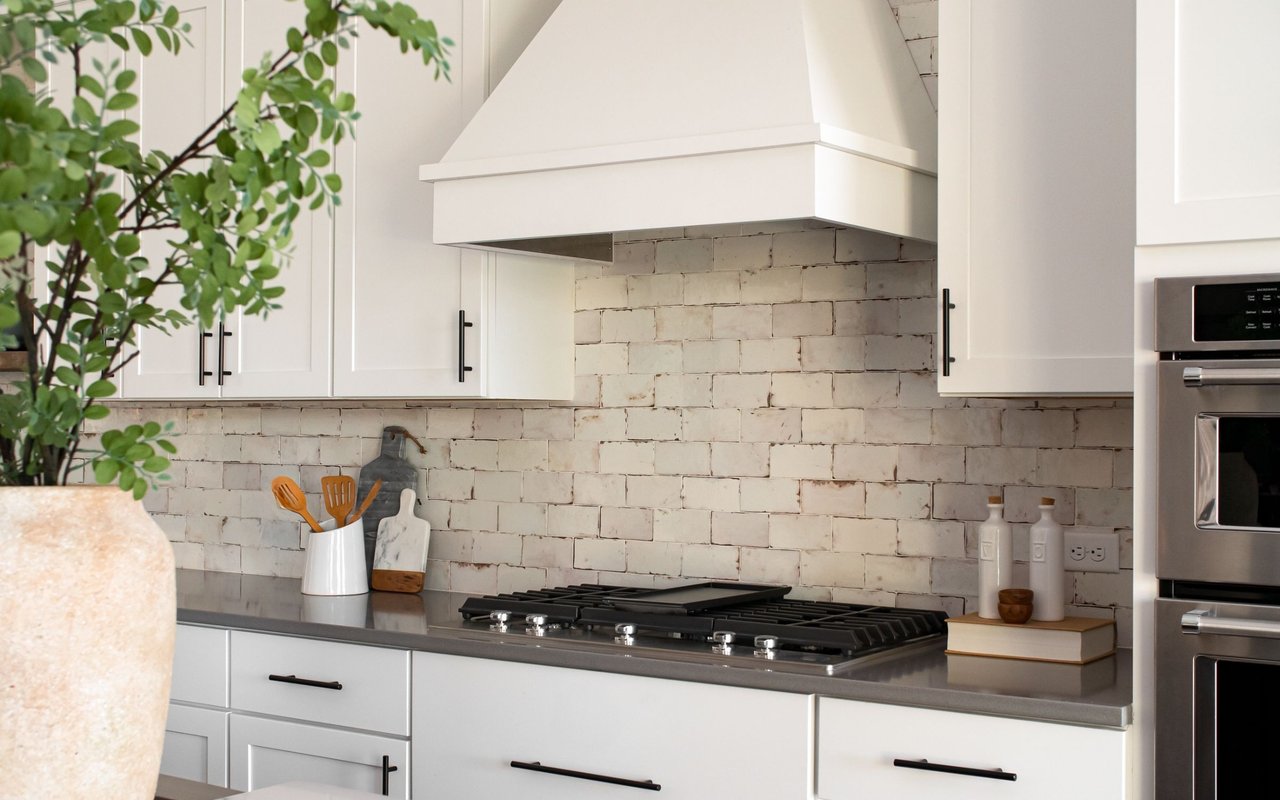
A kitchen does not need to feel sterile, but it should feel edited. Clear surfaces, good lighting, and a few restrained styling touches usually work better than heavy décor.
If your kitchen has open shelving, keep it spare and consistent. Buyers should notice the space, not wonder where they would put their own things.
Primary bedroom
The primary bedroom should feel restful and generous. Use simple bedding, reduce extra furniture, and create as much visible floor space as possible.
This room helps buyers picture everyday life. A calm, uncluttered setup makes that easier.
Dining room
Whether formal or casual, the dining area should help define how the home lives. Even a small table setup can make an open plan feel more understandable in photos and in person.
In neighborhoods where buyers are shopping for lifestyle, rooms that support gathering and flow can leave a lasting impression.
Outdoor spaces
Outdoor areas count. NAR includes outdoor spaces among the key places buyers respond to, so patios, porches, balconies, and small yards deserve attention.
Sweep, trim, clean furniture, and keep the setup simple. In an urban neighborhood, even a compact outdoor space can feel valuable when it looks intentional.
Make flexible space easy to understand
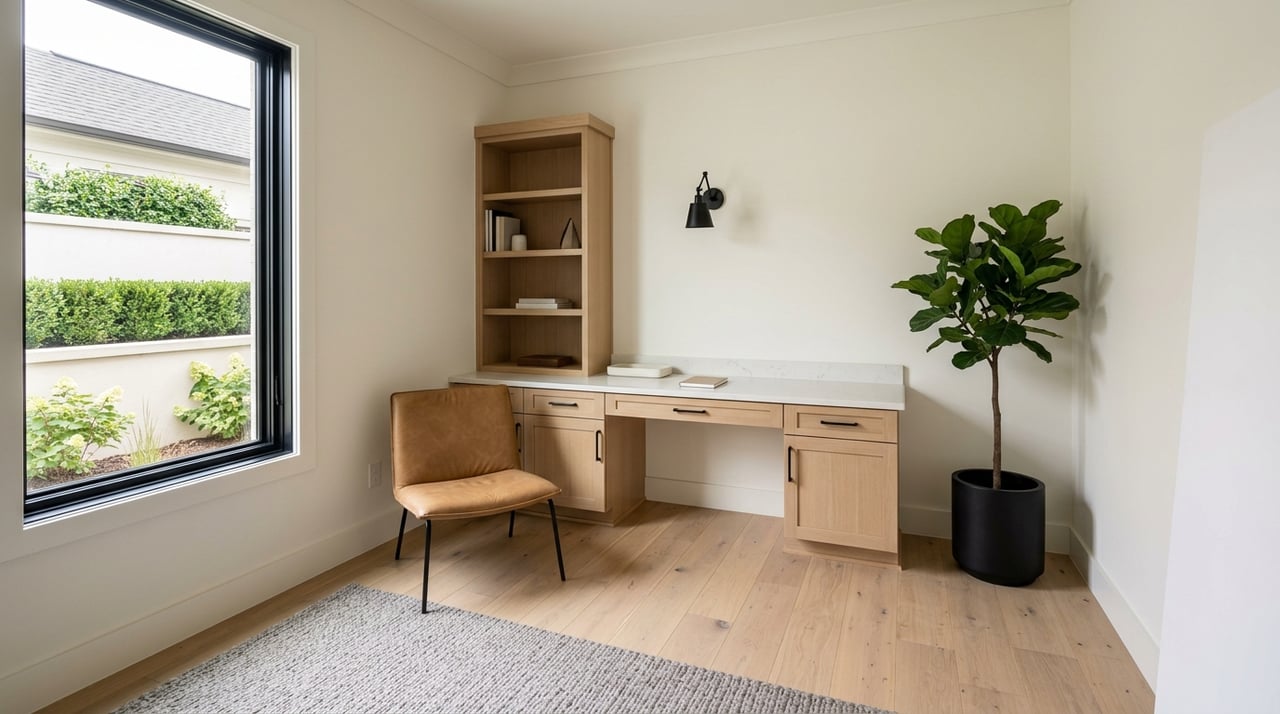
One of the biggest missed opportunities in Wedgewood-Houston homes is leaving flexible space undefined. If you have a spare room, loft, basement nook, or detached workspace, show buyers exactly how it can function.
This matters because buyers often shop online first, then decide whether a home is worth seeing in person. A room that looks empty or confusing can feel like wasted square footage, while a room staged as a home office, studio, guest room, or workout area feels useful.
Given the neighborhood’s creative identity, adaptable space can resonate here. The key is clarity. Pick one use for each space and support it with simple furniture placement and lighting.
Preserve character, modernize function
If your home has original materials or distinctive details, think twice before replacing them just to chase a trend. Preservation guidance from the National Park Service supports repairing and preserving sound historic materials and features rather than removing them when possible.
That is a helpful framework for Wedgewood-Houston sellers. Visible character such as brick, beams, woodwork, or older architectural details may strengthen your home’s appeal when those features are in good condition and presented intentionally.
At the same time, buyers still want day-to-day function. In practice, that often means preserving the texture buyers can see while improving lighting, storage, and overall usability where needed.
A simple way to think about it is this:
| Keep and highlight | Improve where needed |
|---|---|
| Original brick or beams | Lighting brightness and warmth |
| Sound millwork or trim | Storage and organization |
| Distinctive windows or details | Paint touch-ups and repair items |
| Historic or industrial texture | Clear room layout and flow |
You do not need to erase the home’s story to make it market-ready. You just need to make that story readable.
Prioritize online appeal first
Most buyers meet your home online before they ever step inside. NAR’s 2025 staging survey found that 83% of buyers’ agents said staging makes it easier for buyers to visualize a property as their future home. NAR also reported that one-third of buyers’ agents said buyers were more willing to tour a staged home they first saw online.
That means photos, video, and overall visual presentation deserve real attention. Buyers are not just comparing price and bedroom count. They are comparing how clearly each listing helps them imagine living there.
To strengthen your online presentation:
- Open window coverings to maximize natural light
- Replace dim or mismatched bulbs
- Remove visual clutter before photography
- Create clear furniture arrangements
- Highlight one focal point per room
- Keep styling neutral with a little warmth
If virtual staging is used, NAR advises disclosing any material photo alterations so buyers are not misled. Trust matters, and your listing should feel as good in person as it does online.
Check local overlay rules before exterior changes
Before you make exterior updates, take a moment to confirm whether your property is subject to a Metro overlay or historic district review. Nashville states that overlays work in addition to base zoning, and the Wedgewood-Houston Chestnut Hill Urban Design Overlay was adopted to help implement the local plan and encourage contextual infill.
That does not mean every project is complicated. It does mean you should verify requirements before changing exterior finishes, porches, fences, additions, or other site elements.
This step can save time and prevent confusion later. It also helps you avoid advertising an exterior improvement path that may require additional review.
A practical prep plan for sellers
If you want a simple roadmap, start here:
- Declutter and depersonalize so buyers can focus on the home itself.
- Deep-clean everything and complete minor visible repairs.
- Touch up paint and refresh lighting for a brighter, cleaner feel.
- Stage the key rooms: living room, primary bedroom, kitchen, dining room, and outdoor space.
- Define flexible areas so every room has a clear purpose.
- Preserve original character that is in sound condition.
- Prepare for photography with a clean, bright, edited look.
- Confirm overlay requirements before making exterior changes.
This kind of preparation supports what today’s buyers are already telling the market. They want homes that feel polished, distinctive, and easy to understand.
When you are ready to position your Wedgewood-Houston home for buyers who value design and neighborhood character, Camille Birkhead can help you create a smart, polished plan from prep through launch.
FAQs
How should you prepare a Wedgewood-Houston home for design buyers?
- Focus on decluttering, deep cleaning, minor repairs, simple staging, strong lighting, and clear room function while preserving character-defining features that are still in good condition.
Which rooms matter most when staging a Wedgewood-Houston home?
- The highest-priority rooms are the living room, primary bedroom, kitchen, dining room, and outdoor spaces because these areas help buyers understand flow, lifestyle, and livability.
Do you need to renovate a Wedgewood-Houston home before listing it?
- Often, no. The strongest early improvements are usually cleaning, decluttering, touch-ups, staging, and selective repairs rather than a full renovation.
What original features should you keep in a Wedgewood-Houston home sale?
- Sound original features such as brick, beams, millwork, and other distinctive details are often worth preserving and highlighting instead of replacing.
Why does online presentation matter for Wedgewood-Houston listings?
- Buyers often shop online first, and NAR reports that staging helps buyers visualize a home and can increase their willingness to schedule an in-person tour.
Should you check overlay rules before updating a Wedgewood-Houston exterior?
- Yes. Nashville says overlays can apply in addition to base zoning, so it is wise to confirm requirements before changing exterior finishes, porches, fences, additions, or other site elements.