Selling a historic home in Franklin’s 37064 can feel like a balancing act. You want to honor the character that makes your place special while also grabbing attention on today’s screens. With the right prep, staging, and marketing, you can do both and attract buyers who value story and substance.
This guide walks you through Franklin’s preservation rules, smart upgrades that respect history, staging and photography tips built for online appeal, and a step-by-step timeline to launch with confidence. Let’s dive in.
Know Franklin’s rules first
Before you tackle exterior projects, confirm whether your home sits in Franklin’s Historic Preservation Overlay. In those districts, many exterior changes require a Certificate of Appropriateness reviewed by the Historic Zoning Commission. Start with the city’s overview of the Historic Preservation Program and Overlay.
Not every project needs review. Franklin’s FAQ explains that routine maintenance and most interior remodels are typically exempt. In-kind exterior repairs, like replacing damaged clapboards with matching material, may be handled administratively. When in doubt, check the city’s Historic Preservation FAQ or speak with the Preservation Planner.
If a COA is needed, allow time for the Historic Zoning Commission’s meeting schedule and deadlines. The city lists the calendar and application process on the Historic Zoning Commission page.
What buyers expect in 37064
Price trends point to a premium, detail-focused market where presentation matters. Recent snapshots show 37064’s median list price around the million-dollar range, with inventory-sensitive dynamics typical of Williamson County. See the latest Realtor.com market snapshot for 37064 for context.
Different portals report different numbers because of methodology and timing. Zillow’s ZHVI for 37064 also indicates a high-value market. You can explore the Zillow Home Value Index for 37064. For pricing a specific property, request a local CMA grounded in MLS comps.
Bottom line: buyers here want preserved character paired with reliable systems, clean finishes, and polished marketing. Your prep should highlight both.
Preservation-first prep that boosts value
Use the Secretary of the Interior’s Standards as your north star. They prioritize retaining and repairing character-defining features and matching materials when replacement is necessary. Get familiar with the Standards for Rehabilitation as you plan work and evaluate contractor proposals.
Quick, high-impact wins
- Refresh paint with historically sympathetic neutrals and touch up trim.
- Refinish or gently repair original wood floors to let the grain shine.
- Tighten railings, secure loose porch boards, and service sticky doors.
- Clean masonry with gentle, non-damaging methods.
These items are often considered maintenance or in-kind repair, which may not require HZC review. Confirm details in the city’s FAQ and with the Preservation Planner.
Systems that give buyers confidence
Buyers in this price band expect modern mechanical reliability. If your HVAC, electrical panel, water heater, or appliances are older, service them and document the work. Updates inside the home rarely affect historic fabric when done thoughtfully. If you want to fund pre-sale improvements without paying upfront, ask about Compass Concierge, which often covers staging, painting, landscaping, and targeted repairs with no cost due until closing in many markets.
A smart window strategy
Original windows are part of the home’s soul. When possible, repair sashes, add weatherstripping, and use storm windows instead of full replacement. Wholesale vinyl swaps can reduce perceived value and may require a COA in historic districts. For technical how-tos, contractors can consult National Park Service preservation briefs and the Standards.
Curb appeal that shows character
Buyers scroll fast. Your exterior should be crisp and welcoming:
- Trim and simplify plantings so the architecture reads clearly.
- Repair walkways and porch steps to photograph cleanly.
- Add period-appropriate lighting and fresh, neutral paint on the front door.
These changes make first photos pop and support a better click-through rate.
Avoid rushed, high-visibility changes
Steer clear of major exterior alterations right before listing, like full re-siding in a new material, visible window style changes, or sizable additions. In HPO areas, these often require COA review and can add time while risking historic character. If you are considering a larger project, consult the city and plan your listing timeline around approvals.
Energy upgrades that respect history
Improve comfort and efficiency without harming historic fabric. Common best practices include attic insulation, targeted air sealing, and storm windows. If you are considering solar or other modern systems, site them so they are not prominent on character-defining elevations. The NPS offers guidance on sustainability and energy efficiency in historic buildings.
Stage for charm on camera
Staging helps buyers imagine daily life in a historic home while letting the architecture lead. The National Association of Realtors highlights the impact of polished presentation on time to contract and perceived value. You can explore their staging guidance and research.
Focus your budget on rooms that anchor the story:
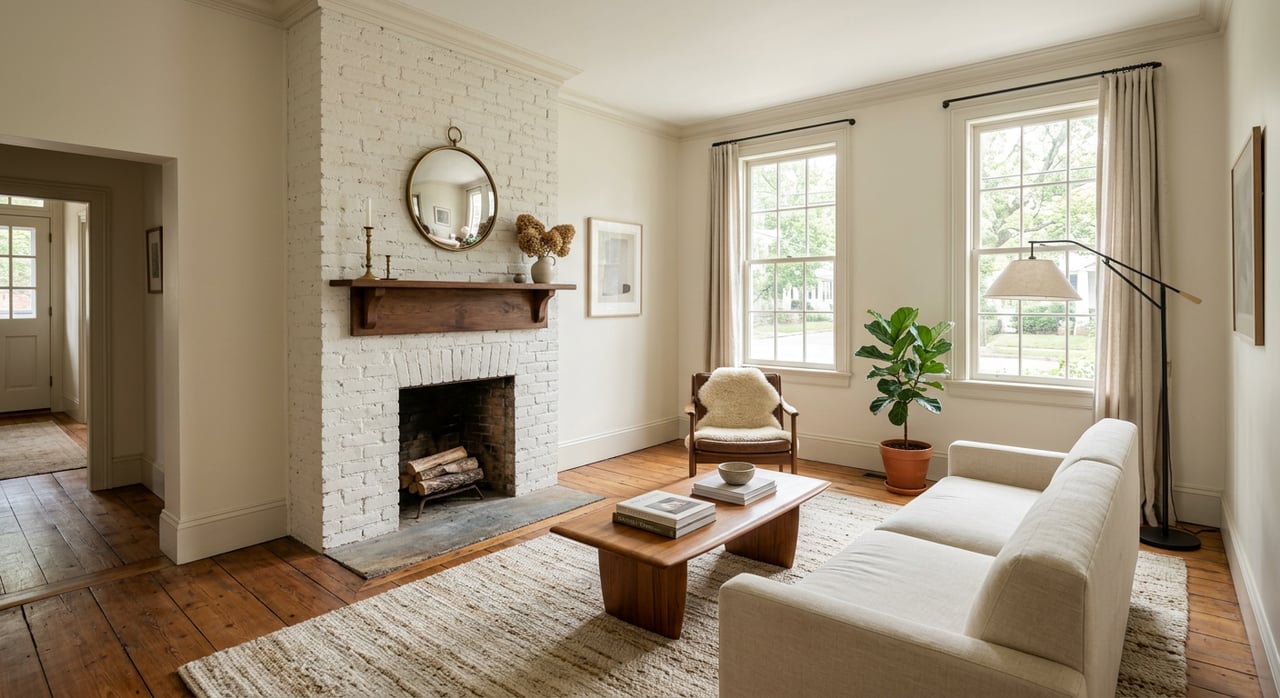
- Living room: Keep lines clean and low so mantels, moldings, and windows are visible.
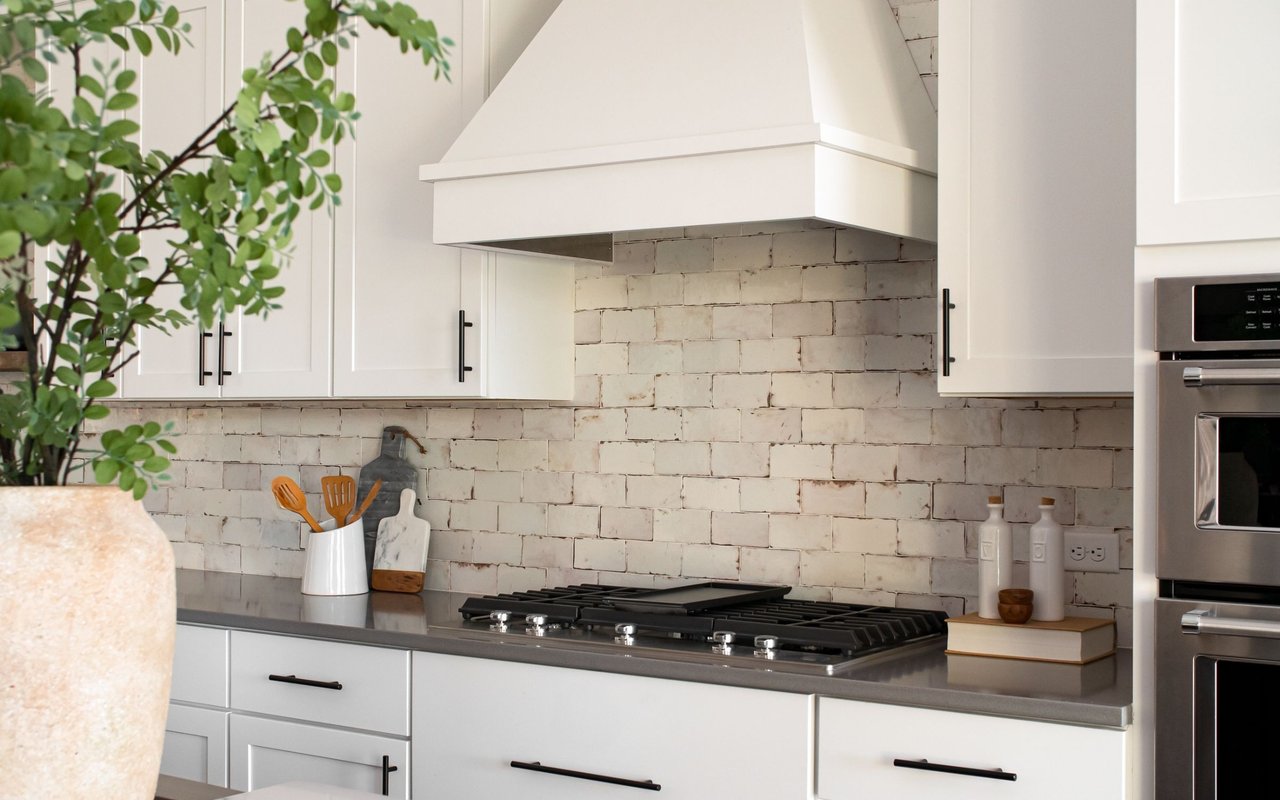
- Kitchen: Clear counters, add warm texture, and show quality hardware and lighting.
- Primary suite: Neutral layers, balanced lighting, and rugs that let the floors show.
A few practical tips:
- Use neutral, contemporary furniture that complements period details.
- Choose rugs that expose original floors at the edges.
- Keep window coverings simple to maximize light and show trim.
- Add fresh, reversible touches like updated hardware and plug-in sconces.
If the home is vacant, consider virtual staging alongside at least one real photo set or a 3D tour. Always disclose virtual staging in the MLS.
Nail the photos and media
Your photo gallery is the first showing. Treat it like an editorial feature.
Recommended shot list:
- Exterior: A full-façade front shot, a streetscape context view, one twilight image, and a close-up of porch or entry details.
- Interior: Two to four wide-angle images per major room, plus one or two detail shots per space that highlight trim, mantels, built-ins, or original floors.
- Architectural highlights: Close-ups of original hardware, stair newels, transoms, stained glass, or unique tile.
- Systems and updates: A tasteful shot of a renovated kitchen or bath and a proof-of-care photo for newer mechanicals.
- Outdoor spaces: Patios, yard, and any historic outbuildings.
Execution tips:
- Hire a photographer experienced with historic and architectural subjects.
- Schedule exteriors at golden hour and interiors with balanced, true-to-life color.
- Build a mobile-friendly “detail gallery” so character shots are easy to swipe.
- Add a 3D tour and drone exterior if the lot, setting, or scale would benefit remote buyers.
Position the story and market smart
Listing copy should lead with what makes your property one of one, then back it up with care and clarity.
- Provenance and style: Note the era and architectural elements that buyers love.
- Stewardship: Call out careful repairs or work completed in line with local guidance when applicable.
- Practical certainty: Highlight recent system updates and maintenance logs.
- Transparency: If the property lies within the Historic Preservation Overlay, explain that exterior changes follow the city’s COA process and direct serious buyers to the city’s website for context.
To build demand while you finish prep, consider Compass’s three-phase launch plan. Pair a pre-market window with light improvements and staging, then move to MLS when the home is camera-ready. Explore Compass Private Exclusives for a preview approach that can protect price positioning while you gather early feedback.
Example 6–8 week Franklin prep timeline
Every property is different, but this framework fits many 37064 historic homes.
- Weeks 1–2: Agent walk-through, verify HPO status, confirm whether planned exterior work needs a COA. Prioritize a repair list and gather bids. Coordinate with the Preservation Planner as needed.
- Weeks 2–4: Execute low to medium projects like paint, floor refinishing, mechanical servicing, and landscape clean-up. If using Compass Concierge, complete intake so vendors can start fast.
- Weeks 4–5: Professional staging, deep cleaning, and photo scheduling. Build a property website, floor plan, and 3D tour if appropriate.
- Weeks 5–6: Quiet preview phase if you opt for a pre-market strategy. Gather agent feedback and refine pricing while final touches wrap.
- Week 6+: Go live on MLS and syndication portals. Track feedback and adjust marketing elements as needed.
Quick pre-list checklist
- Confirm HPO status and whether any exterior work needs a COA.
- Complete cosmetic repairs that preserve character and read well on camera.
- Service HVAC, electrical, plumbing, and water heater; save receipts.
- Refresh exterior with tidy plantings and period-appropriate lighting.
- Stage high-impact rooms with neutral, contemporary furnishings.
- Hire an architectural photographer and plan for a twilight exterior.
- Build an asset kit: floor plan, detail gallery, 3D tour, property website.
- Map a launch plan, including a pre-market option if timing helps.
Ready to position your historic Franklin home for maximum online impact and in-person interest? Let’s create a preservation-first plan that feels right for you and attracts the right buyers. Connect with Camille Birkhead to coordinate sensitive prep, polished staging and photography, and a Compass-powered launch.
FAQs
What is the Historic Preservation Overlay in Franklin?
- It is a local designation that triggers review of many exterior changes in historic districts. Learn more on the city’s Historic Preservation Program page.
Do interior remodels in 37064 need Historic Zoning Commission approval?
- Most interior work is exempt from review. Confirm edge cases or anything affecting the exterior with the city’s Historic Preservation FAQ.
Will repainting or in-kind exterior repairs require a COA in Franklin?
- Repainting and many in-kind repairs are often considered routine maintenance and may not require a COA. Always verify details with the city’s guidance and the Preservation Planner.
Do window or siding replacements on a historic Franklin home need approval?
- Yes. Changes to visible materials and window styles commonly require a COA. Review the Historic Zoning Commission process and plan your timeline accordingly on the HZC page.
Are there tax credits for rehabilitating historic properties in Tennessee?
- The federal Historic Rehabilitation Tax Credit offers 20% for qualifying income-producing properties through the NPS and state review process. See NPS eligibility requirements and consult a tax advisor for specifics.