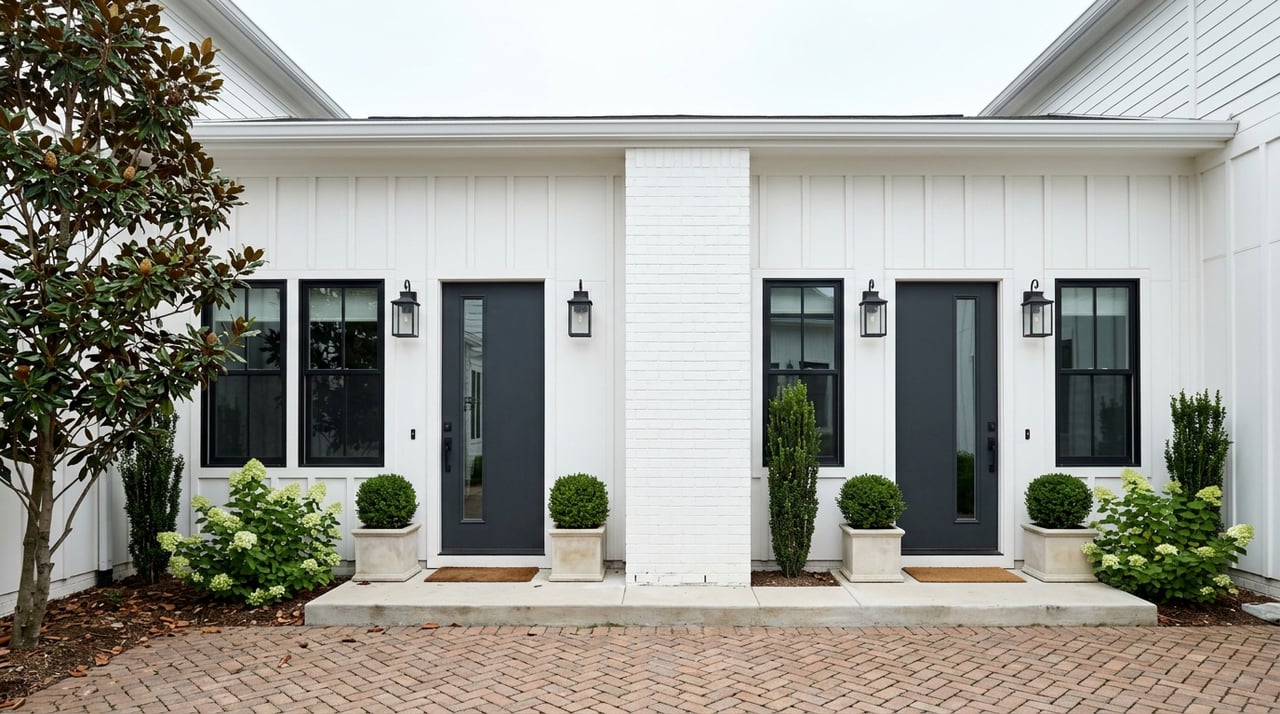
Trying to choose between a condo and a townhome in Nashville? You are not alone. Many buyers love the idea of lower-maintenance living, but the right fit depends on more than the way a building looks from the street. If you want a smart, confident decision, it helps to understand ownership, fees, lifestyle, and resale from a Nashville point of view. Let’s dive in.
Start With Ownership
In Tennessee, a condo is a legal form of ownership, not just a building style. Each unit is a separate parcel of real estate, and it includes an interest in the common elements. That means the way a property is deeded matters just as much as the layout or architecture.
A townhouse is defined in Tennessee as a single-family dwelling unit in a group of attached units that extends from foundation to roof, with separate egress. But that still does not tell you everything about ownership. Some attached homes in Nashville are true condos, while others are fee-simple homes in an HOA or a planned unit development.
That is why your first question should not be, “Does this look like a condo or a townhome?” It should be, “What do the deed and community documents say?” In Tennessee, sellers must disclose when a property is in a planned unit development and make key governing documents available on request.
Why Documents Matter More Than Style
Two homes can look nearly identical from the outside and come with very different responsibilities. One may place more exterior maintenance on the association, while the other may leave more upkeep to you. If you skip the documents, you can misunderstand both your monthly costs and your long-term obligations.
For Nashville buyers, this is especially important in attached-home communities. The ownership structure affects maintenance, insurance, shared spaces, and even how easy a property may be to finance or resell later. A quick visual impression is never enough.
Compare Maintenance and Fees
One of the biggest practical differences between condos and townhomes is how maintenance gets handled. Under Tennessee condo law, the association is generally responsible for common elements unless the declaration says otherwise, while the owner is responsible for the unit itself. That helps explain why condo fees often feel more comprehensive.
In many condo communities, your monthly dues may support exterior care, common areas, amenities, insurance on shared elements, and association operations. That setup can be appealing if you want a more hands-off lifestyle. It can also be helpful if you are downsizing or relocating and want fewer day-to-day property tasks.
With townhomes, the picture can vary more. Some townhome communities have HOA structures that cover a meaningful amount of exterior maintenance, while others leave more responsibility with the owner. If a Nashville townhome is part of a planned unit development, reviewing the HOA documents is still essential before assuming the home functions like a traditional house.
Review the HOA Packet Carefully
If you are deciding between a condo and a townhome, the HOA or condo packet is one of the most important tools you have. Tennessee law requires condo associations, upon request, to provide detailed records such as the declaration or master deed, bylaws, rules, financial statements, budget, reserve information, assessment amounts, transfer fees, amenity fees, insurance coverage, pending suits, and delinquency totals.
The association must respond within ten business days and may charge a reasonable fee. For you as a buyer, those documents can reveal whether the monthly payment is manageable and whether the association appears financially healthy. They also help you understand what you can and cannot do with the property.
As you compare properties, pay close attention to:
- Monthly dues and what they cover
- Reserve funding
- Special assessments or recent increases
- Insurance coverage
- Transfer and amenity fees
- Rules on maintenance, modifications, and shared spaces
- Pending lawsuits or major repair issues
A lower monthly fee is not always the better deal. Sometimes it can mean fewer services or weaker reserves, which may create higher costs later.
Match the Home to Your Nashville Lifestyle
Once you understand the legal and financial side, the next step is lifestyle. Nashville’s planning approach emphasizes connectivity, walkability, and a mix of housing types. That means your best choice often comes down to how you want to live day to day.
For many buyers, condos fit best in Nashville’s more urban settings. Areas like Downtown, SoBro, The Gulch, Midtown, Germantown, and 12South are often associated with walkable living, restaurants, entertainment, and in some places high-rise residential options. If you want to be close to activity and prefer a lock-and-leave feel, a condo may line up well with your goals.
Townhome buyers often compare neighborhoods that feel a bit more residential while still offering good city access. East Nashville, Sylvan Park, Green Hills, Donelson & Hermitage, The Nations, and West Nashville can be strong areas to explore if you want attached living with a little more separation. These areas are not townhome-only markets, but they often appeal to buyers who want balance between convenience and breathing room.
Think About Commute First
A great home can still feel inconvenient if the daily routine does not work. In Nashville, commute patterns and transit access can shape this decision more than buyers first expect. If you want to reduce driving, search by actual route access instead of assuming a home is convenient just because it is near downtown on a map.
WeGo’s system includes direct service in the inner core, including Route 75 Midtown, Route 3 West End, Route 8 8th Avenue South, and Route 17 12th Avenue South. The WeGo Star serves the East Corridor and connects riders to downtown Nashville and Riverfront Station. If transit access matters to you, a condo in a more central location may offer an edge.
That said, a townhome in a well-placed neighborhood may still give you an easy commute with a different feel at home. The right answer depends on where you work, how often you drive, and what kind of day-to-day rhythm you want.
Compare Price and Value
Price is often part of the condo versus townhome conversation, even when buyers start with lifestyle in mind. Recent Greater Nashville REALTORS data showed that in Davidson County during Q1 2026, the median condo price was $361,000, while the median price for residential single-family homes was $499,990. In April 2026 across the broader nine-county region, the median condo price was $345,000 compared with $503,340 for residential single-family homes.
That price gap helps explain why condos can appeal to buyers who prioritize location and lower-maintenance living over yard space. It can also make condos attractive for downsizers and professionals who want to stay close to the city without stretching into a higher price point. If your budget is tight but your location goals are ambitious, a condo may create more options.
Inventory has also expanded compared with the pandemic-era market. Greater Nashville REALTORS reported 13,694 active listings in March 2026 and 14,677 in April 2026, with about six months of inventory in both periods. For you, that usually means more room to compare neighborhoods, fee structures, and community health before making a decision.
Understand Financing and Resale Risk
Financing can be more document-sensitive with condos than with fee-simple homes. Condo project standards can involve review of the association’s financial health, unresolved critical repairs, and master property insurance. In practical terms, that means your lender may care about the condition of the entire project, not just your unit.
This also affects resale. A well-managed association with solid reserves and clear insurance coverage can support buyer confidence. On the other hand, weak finances or unresolved building issues may limit buyer interest or create financing hurdles.
Townhomes can sometimes feel more straightforward, but that is not automatic. You still need to confirm whether the property is fee-simple, in a planned unit development, or part of a condo regime. The legal structure behind the home will shape both your ownership experience and the resale picture.
When a Condo Makes Sense
A condo may be the better fit if you want:
- A more urban location
- Lower day-to-day maintenance
- Amenity-oriented living
- A lock-and-leave setup
- Shared governance that handles many common responsibilities
This can be a strong option if you are relocating, downsizing, or simply want to spend less time on property upkeep and more time enjoying Nashville.
When a Townhome Makes Sense
A townhome may be the better fit if you want:
- An attached-home feel with more separation
- More control over certain aspects of the property
- A neighborhood setting that feels less dense
- Access to the city without committing to a high-rise or core urban lifestyle
Just remember that “townhome” does not always mean the same thing legally. Before you decide, confirm whether the property is fee-simple, part of a PUD, or in a condo regime.
The Best Nashville Rule of Thumb
In Nashville, the deciding factors are usually the deed, the HOA packet, the commute, and neighborhood character. The exterior look of the building is only the starting point. Once you understand how the home is owned and how the community operates, your decision becomes much clearer.
If you are comparing condos and townhomes in Nashville, having local guidance can save you time and help you avoid expensive assumptions. Camille Birkhead can help you narrow the search, review the details that matter, and find the property that fits the way you want to live.
FAQs
What is the difference between a Nashville condo and a Nashville townhome?
- In Tennessee, a condo is a legal ownership form, while a townhouse describes a style of attached dwelling. In Nashville, the deed and community documents determine whether a property functions more like a condo or a fee-simple home in an HOA or planned unit development.
What documents should you review before buying a Nashville condo?
- You should review the declaration or master deed, bylaws, rules, budget, financial statements, reserve information, assessment amounts, insurance coverage, fees, and any information about pending suits or delinquencies.
Are Nashville condo fees usually higher than townhome HOA dues?
- Condo fees can feel more comprehensive because Tennessee condo law generally places responsibility for common elements on the association unless the declaration says otherwise. Whether the total cost is better depends on what the fee covers.
Which Nashville neighborhoods often fit condo buyers best?
- Buyers looking for a more urban, walkable lifestyle often explore areas such as Downtown, SoBro, The Gulch, Midtown, Germantown, and 12South.
Which Nashville neighborhoods often fit townhome buyers best?
- Buyers seeking an attached-home feel with a somewhat more residential setting often compare East Nashville, Sylvan Park, Green Hills, Donelson & Hermitage, The Nations, and West Nashville.
How does financing differ for a Nashville condo purchase?
- Condo financing can involve more project-level review, including the association’s finances, insurance, and any unresolved repair issues, which can affect both loan approval and resale appeal.