Thinking about trading square footage for simplicity in Historic Franklin? If you love the idea of being close to downtown shops, restaurants, and everyday conveniences, downsizing here can be an exciting next step. It can also come with questions about housing options, walkability, parking, preservation rules, and what day-to-day life really feels like. This guide will help you think through the practical side of downsizing in Franklin’s historic core so you can move forward with more clarity. Let’s dive in.
Why Historic Franklin appeals to downsizers
Historic Franklin offers something many homeowners start to value more over time: convenience paired with character. The downtown core is a 15-block historic district known for brick sidewalks, Victorian architecture, renovated historic buildings, and a mix of shops, restaurants, galleries, antiques, and professional services.
If you are moving from a larger suburban home, that setting can feel refreshingly connected. Instead of maintaining a big yard and extra rooms you rarely use, you may be able to shift toward a home and lifestyle that puts more of your day within easier reach.
This can be especially relevant in Franklin and Williamson County, where home values are high. Census QuickFacts cited by the City of Franklin show median owner-occupied home values of $705,400 in Franklin and $751,900 in Williamson County, so downsizing is not always about spending less. In many cases, it is about using your housing budget differently.
Housing options near downtown Franklin
One of the biggest misconceptions about downsizing near Historic Franklin is that your only option is a detached house. In reality, the Downtown District allows several housing types, including houses, duplexes, multiplexes, townhouses, and mixed-use buildings.
That matters if you want flexibility. You may be looking for less interior space, less exterior upkeep, or a layout that supports one-level living or easier lock-and-leave convenience.
Franklin’s broader Mixed Residential concept also includes single-family homes, duplexes, multiplexes, and townhouses. The city’s planning framework notes that infill near Downtown Franklin should maintain traditional scale and walkability, which helps explain why smaller-footprint homes and attached housing can fit naturally in the area.
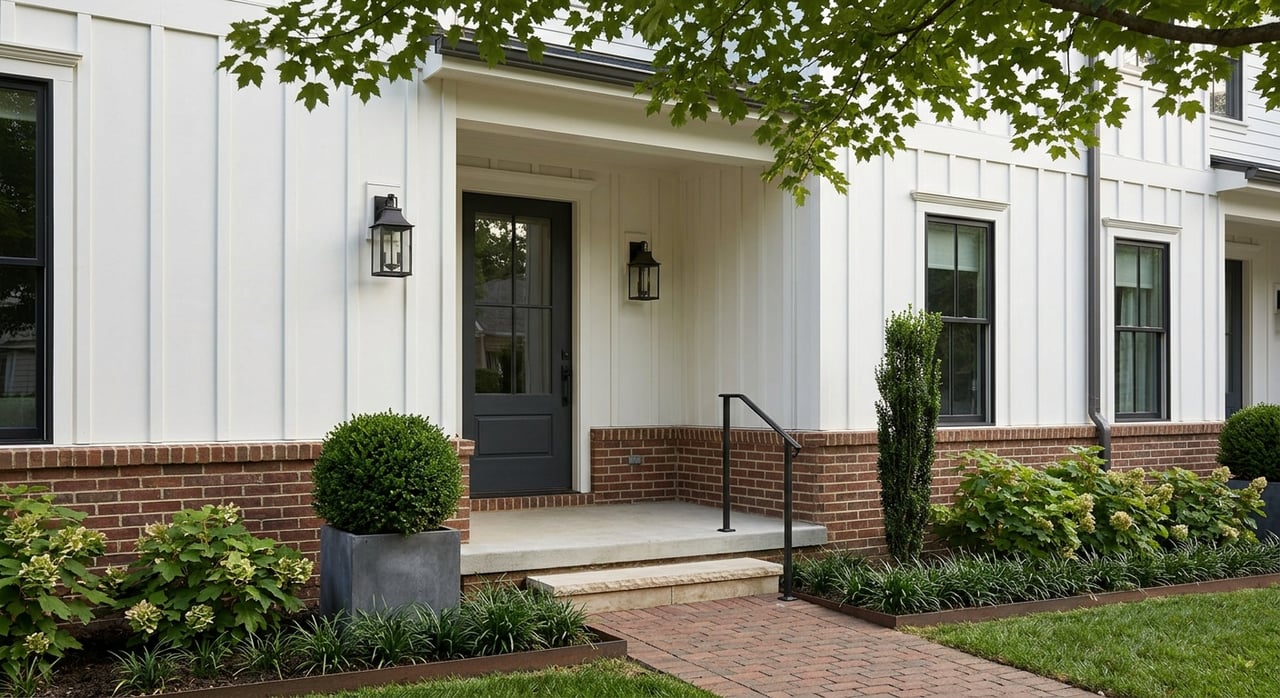
In nearby historic residential districts such as Adams Street, Lewisburg Avenue, and Hincheyville, the character is often defined by late-19th- and early-20th-century homes with porches, walkways, modest yards, and detached accessory structures. For some downsizers, that can mean finding a home with charm and a smaller footprint without giving up the feel of an established neighborhood.
What to look for in a smaller home
As you compare options, focus on how the home lives, not just the square footage. A well-designed smaller property can feel more comfortable than a larger home with unused formal spaces or stairs that no longer fit your routine.
Here are a few features worth watching for:
- Main-level primary bedroom or one-level living
- Lower exterior maintenance needs
- Walkable access to downtown amenities
- Manageable yard or outdoor space
- Storage for the items you plan to keep
- Easy guest space for family visits
- Parking that matches your needs
Walkability and daily convenience
A major reason people downsize to 37064 near downtown Franklin is walkability. The Downtown District is intended for pedestrian-scale commercial, civic, and residential uses, and the historic district guidelines emphasize sidewalks, street-facing buildings, street trees, lighting, seating, and other small-scale streetscape details that support being out on foot.
That does not mean every block will feel the same to every buyer. Your comfort level may depend on the exact location, street activity, mobility needs, and how often you expect to walk versus drive.
Still, if your goal is to reduce car dependence, downtown Franklin offers more support for that lifestyle than many suburban areas. You may be able to walk to meals, local services, shops, or community outings in a way that changes your day-to-day rhythm.
Parking and getting around
Parking is an important part of the downsizing conversation, especially if you are moving from a property with a wide driveway or attached garage. The city says downtown parking is free in two garages with 300 spaces each, while on-street parking is generally limited to two hours. ADA parking is also mapped, and paid lots are available.
Franklin Transit adds another layer of convenience. Fixed-route service and Transit On Demand curb-to-curb service operate six days a week throughout Franklin, and the city also notes a trolley system operated by the Franklin Transit Authority.
For some homeowners, that transportation mix can make it easier to stay active and connected without relying on a car for every errand. For others, it simply adds options, which can be valuable as your needs change over time.
Historic-home maintenance and review rules
Charm is a big part of Historic Franklin’s appeal, but it is important to understand what can come with it. If a property is inside the Historic Preservation Overlay, exterior changes are reviewed by the Historic Zoning Commission, and most exterior alterations require a Certificate of Appropriateness.
That does not mean ownership is difficult. It does mean that updates to the outside of the home may involve more planning and review than you would expect in a newer subdivision.
The city recommends contacting preservation staff early, and the design guidelines emphasize keeping historic sidewalks and walkways in place when possible and replacing damaged portions to match the original. They also address historically compatible foundations, roofs, porches, gutters, and exterior materials.
Questions to ask before you buy
If you are considering a historic property, it helps to ask practical questions up front:
- Is the property inside the Historic Preservation Overlay?
- What exterior changes have already been made?
- What future maintenance may be needed for roofs, porches, gutters, or walkways?
- Will the home’s outdoor upkeep feel manageable for you?
- If you want to make updates later, what review steps may apply?
These questions can help you compare the beauty of a historic property with the time, cost, and planning it may require.
Planning the transition to a smaller home
Downsizing is rarely just a real estate decision. It is also a life transition that often includes sorting possessions, adjusting routines, and thinking through what kind of support will make the move easier.
If you are helping a parent or making your own move later in life, it can help to break the process into smaller steps. A thoughtful plan often reduces stress and makes decision-making more manageable.
A practical downsizing checklist
Start with the essentials:
- Decide what you want more of in daily life, such as walkability, lower upkeep, or easier access to services
- Identify the home features you need now and the ones that may matter later
- Measure key furniture before touring smaller homes
- Review parking, entry access, and exterior maintenance needs
- Ask whether historic review rules apply to the property
- Build a realistic timeline for sorting, donating, storing, or passing along belongings
A good downsizing plan should support both your home search and your peace of mind. The goal is not simply to move into less space. It is to move into a home that fits the way you want to live next.
Local support resources in Franklin
For older adults and families helping with a move, local support can make a real difference. Franklin Fire offers fall and fire prevention presentations, key-vault and alarm-assistance resources, apartment and condominium fire safety information, and a daily telephone check.
The city also notes a Senior Citizens Assurance Program for seniors who do not have family nearby or who are living on their own. In addition, the Williamson County Enrichment Center serves residents age 55 and older.
Williamson County’s senior preparedness guidance highlights flooding and severe storms and recommends identifying helpers, keeping an extra key available, and planning for medical and communication needs. If you are downsizing for simpler living, these are useful reminders that convenience should include readiness as well as comfort.
Why local guidance matters
Downsizing in Historic Franklin is not just about finding a smaller property. It is about matching your next home to your lifestyle, comfort level, and long-term plans.
That might mean a townhouse near downtown, a smaller historic home with a modest yard, or a property that gives you easier access to the places you enjoy most. It may also mean balancing charm and walkability with parking needs, preservation rules, and maintenance expectations.
When you have clear local guidance, it is easier to weigh those tradeoffs with confidence. Historic Franklin offers a unique mix of character and convenience, and the right move depends on how you want your next chapter to feel.
If you are thinking about downsizing in Franklin, Camille Birkhead can help you compare neighborhoods, housing options, and next-step timing with thoughtful, hands-on guidance.
FAQs
What kinds of homes are available for downsizing near Historic Franklin?
- Near downtown Franklin, housing options can include houses, duplexes, multiplexes, townhouses, and mixed-use buildings, not just detached single-family homes.
What should buyers know about walkability in downtown Franklin?
- Downtown Franklin is designed to be pedestrian-oriented, with sidewalks, street-facing buildings, and streetscape features that support walking, but day-to-day comfort can still vary by block and by your mobility needs.
What should homeowners know about parking in Historic Franklin?
- The city says downtown includes two free parking garages with 300 spaces each, limited two-hour on-street parking, mapped ADA parking, and paid lots.
What should buyers know about historic preservation rules in Franklin?
- If a home is inside the Historic Preservation Overlay, most exterior changes require review by the Historic Zoning Commission and a Certificate of Appropriateness before work begins.
What should older adults consider when downsizing in Williamson County?
- In addition to home size and location, it helps to consider transportation, emergency preparedness, maintenance needs, and local support resources such as Franklin Fire programs and the Williamson County Enrichment Center.